Is It Time to Put Your Credit Card Away? Key Factors to Think About
Credit cards can be a great tool, but what if they start holding you back financially? Maybe it’s time to take a step back and reassess. Take a look!
Are Credit Cards a Useful Tool or a Financial Trap? It Really Comes Down to How You Use Them.
How do you know when it’s the right moment to stop relying on your credit card?
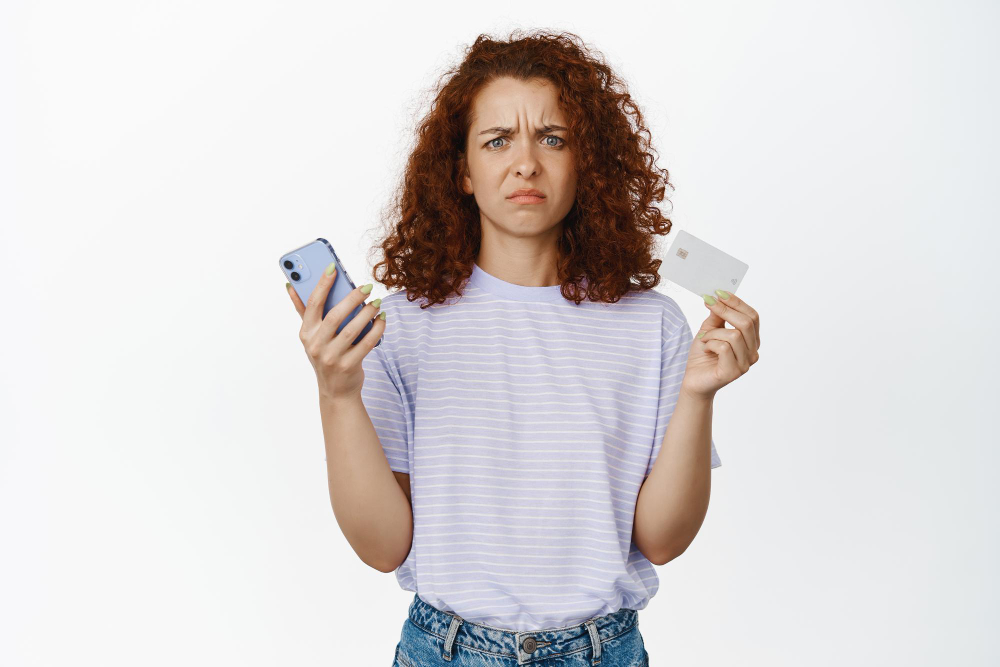
Let’s look at some signs that you might be overusing your credit card and when it could be wise to pause its use for a while.
1. Your Balance Is Getting Out of Hand
If your balance keeps climbing and you’re unable to pay off your card, it’s a sign to take a closer look at how you’re spending.
Why this matters:
In the U.S., credit card interest rates are generally steep, often topping 20% annually.
What you can do:
Take a close look at your spending habits. Are you buying only essentials?
2. You’re Not Paying Your Balance Off Completely Each Month
A key benefit of credit cards is the chance to clear your full balance each month, avoiding any interest fees.
But if you’re regularly paying just the minimum—or less—that’s a red flag. This leads to interest charges and can hurt your credit rating as well.
Why this is crucial:
Credit cards may tempt you to spend beyond your means. Carrying a balance month after month leads to accumulating interest, which can quickly get out of hand.
What to consider:
Aim to pay off your full balance every month. If that’s not feasible, consider stopping your credit card use until you can manage payments better.
3. You’re Accumulating Debt Faster Than You Can Manage
Debt often sneaks up on you, especially if you depend on your credit card for everyday expenses.
Regularly increasing your debt without a solid repayment strategy is a red flag you shouldn’t ignore.
Why it matters:
Charging everyday expenses like groceries or gas on your credit card may seem harmless, but it can quickly spiral into unmanageable debt.
What to do:
Create a budget and cut out unnecessary expenses—though challenging, it’s vital.
You may need to pause using your card temporarily to prevent the problem from escalating.
4. Using It for Non-Essentials
It’s easy to swipe your card for dinner or that new gadget, even when you don’t really need it.
If you often use your credit card for luxury items instead of essentials, it’s probably time to take a hard look at your spending habits.
Why it matters:
Credit cards can tempt us to spend beyond our means—especially when rewards make purchases feel like wins.
However, relying on your card for non-essential items can damage your financial health.
What to do:
Take a close look at your spending. Create a list separating needs from wants, and commit to using your card strictly for essentials.
You might also consider freezing your card or setting it aside temporarily to help curb impulse purchases.
5. Your Credit Score Is Declining
Your credit score plays a vital role—late payments or high balances can significantly lower it.
If you notice your score slipping, it’s a clear sign to reevaluate how you’re using your credit card.
Why it matters:
Maintaining a strong credit score is key for accessing loans with better rates, securing rental agreements, and even qualifying for certain jobs.
If your credit habits are harming your score, it’s time to reassess your finances.
What to do:
Keep a close eye on your credit score. If it’s falling due to heavy card usage, work on reducing your debt, lowering your credit utilization ratio, and correcting any errors on your credit report.
Final Thoughts: Is It Time to Stop Using Your Credit Card?
There isn’t a one-size-fits-all answer. What’s important is having a clear grasp of your own financial health.
The key to managing credit cards wisely is self-control.
When you use your credit card responsibly—paying off the full amount each billing cycle and avoiding unnecessary debt—it can become a powerful tool for managing your finances.
If you’re caught in a repeating pattern of debt or relying on your card for expenses beyond your means, it might be time to take a step back and reassess your spending habits.

Conteúdo Recomendado
Climate change and insurance
Ever wondered how climate change is affecting insurance? Dive into a detailed analysis now.nn
Continuar Lendo * You will be directed to an external website