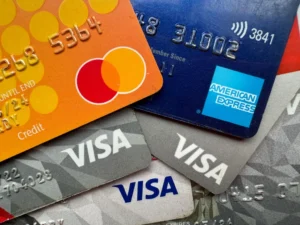
The True Expense of Using BNPL Compared to Credit Cards
Entenda os verdadeiros custos do BNPL em comparação aos cartões de crédito — taxas ocultas, perigos envolvidos e dicas inteligentes para pagar em 2026. Confira agora.
BNPL vs Credit Cards: Hidden Financial Pitfalls to Know
For decades, credit cards have represented ease and convenience—nowadays, a simple tap is all it takes to pay.
Yet recently, a new player has entered the scene: BNPL, which stands for Buy Now, Pay Later.
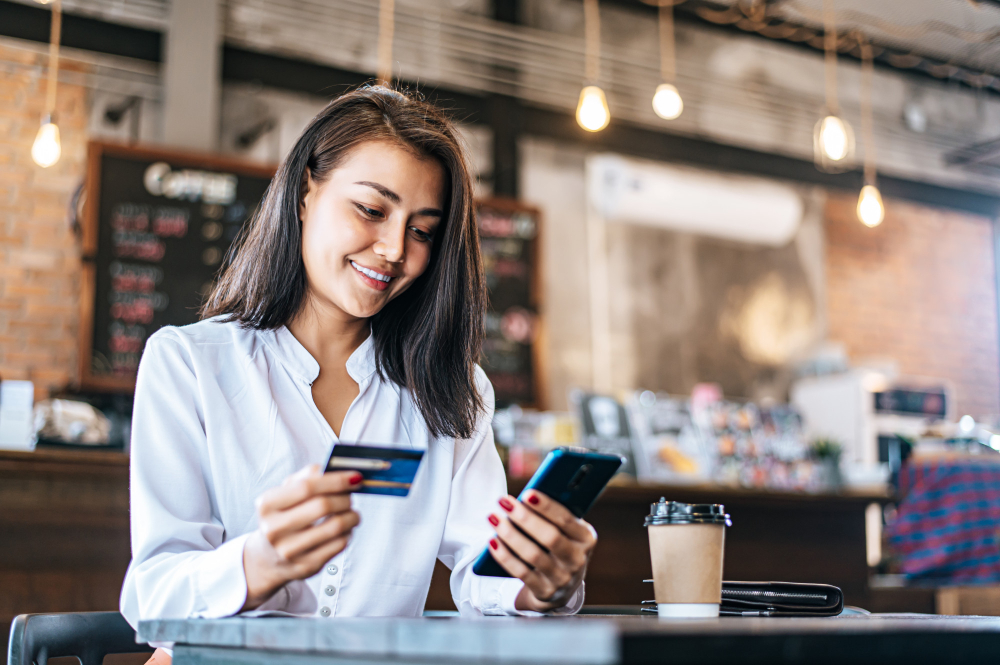
It seems like a fantastic offer—until you dig a little deeper.
What BNPL Promises
BNPL’s top attraction is its ease of use. With a few simple steps, buyers can break down a purchase into four or more payments.
Take someone organizing a trip: BNPL seems ideal because you can reserve your hotel, rent a car, or pick up new luggage without paying everything at once.
BNPL providers promote accessibility and clarity, positioning themselves against credit cards, whose fees and interest rates often get a bad reputation.
BNPL also creates a sense of better spending control.
What Many Overlook: The True Cost Behind BNPL
BNPL is often promoted as “interest-free,” but that benefit really depends on how you manage your payments.
Paying every installment on schedule can keep you free from extra fees. However, missing a due date—even by just one day—can lead to significant penalties.
Some BNPL providers impose fixed late fees, while others charge rising interest rates that may surpass 25% annually.
Unlike credit cards, BNPL lacks consumer protections. If you receive a faulty item or a reservation is canceled, getting a refund can be slow and complicated.
Credit Cards’ Advantages: Costs That Offer Value
Typically, annual percentage rates top 20%, which means carrying a balance month after month can be quite costly and risky.
However, many don’t realize the value of the built-in perks and protections that come with credit cards.
Using a credit card gives consumers fraud safeguards, fast dispute resolution refunds, and rewards programs offering points, miles, or cashback benefits.
For those who travel often, these advantages grow: travel insurance, airport lounge access, and protection for lost luggage are extras BNPL options don’t provide.
The Psychology Behind Paying in Installments
BNPL promotes a style of spending in fragments: while small installments seem manageable, they can quietly add up to significant debt.
Conversely, credit cards group all expenses together, providing a more transparent overview of your total spending.
The main distinction isn’t only about interest rates — it’s about how each payment method influences your financial habits.
When Each Payment Option Fits Best
BNPL is ideal for targeted, short-term buys—such as updating your closet before a trip or purchasing new gadgets.
This option works best when you have a clear idea of your total spending and are sure you can meet all payment deadlines.
Credit cards are generally better for ongoing or high-value purchases, especially if you want to benefit from rewards, secure international payments, and enjoy extended billing periods.
For travel, credit cards remain the preferred payment method. Many hotels and car rental agencies require a valid credit card for security deposits—something BNPL options currently can’t provide.
Looking Ahead
As fintech innovations grow and payments become more digital, the distinctions between BNPL and traditional credit are increasingly fading.
Some financial institutions are experimenting with hybrid options that let users convert a credit card transaction into installment payments, similar to BNPL.
The aim is to merge the advantages of both methods: the ease of interest-free installments and the robust consumer safeguards offered by credit cards.
Making the Wise Choice
In the end, deciding between BNPL and credit cards isn’t about which is superior but rather about which aligns better with your spending patterns and lifestyle.
If you want quick convenience and prefer short-term payments, BNPL can be useful—provided you keep up with payment deadlines responsibly.
Credit cards continue to be a valuable financial resource for those who prioritize security, rewards, and global usability—as long as they steer clear of debt.
Ultimately, the true cost lies not just in fees or interest, but in how responsibly you manage your available credit. Whether it’s BNPL or a credit card, your financial health depends on how you handle payments.

Conteúdo Recomendado
Wrap Up the Year with Smart Money Moves
End 2025 with smart money moves — plan, save, and take control of your financial future. Check out more now.nn
Continuar Lendo * You will remain on the current website