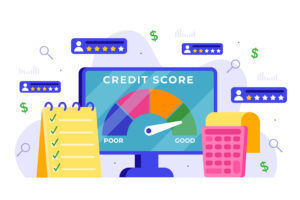
Authorized User or Personal Card: Which Is the Easier Way to Build Credit?
Effortless Credit Building: Which Approach Works Best?
Establishing credit is essential in the U.S. since credit plays a key role in major financial moves like purchasing a home or securing loans.
When it comes to building credit, two popular methods stand out: being added as an authorized user on someone else’s card or applying for a credit card in your own name.

Both approaches help build your credit, but they vary greatly in terms of control, accountability, and—most notably—how complex they are to manage.
Below, we’ll break down each option to clarify their differences and guide you on which might suit your needs better.
Authorized User vs. Own Card: What Actually Differs
Before we dive into the comparison, it’s key to grasp the practical distinctions between these two options:
Authorized User:
- You are added to another person’s credit card account.
- You hold no legal responsibility for the balance.
- Your credit report reflects part of the primary card’s history.
- No credit inquiry is required for approval.
Your Own Card (Primary Account Holder):
- You apply for and handle your own credit card.
- You’re fully accountable for all payments.
- Your credit builds solely through your activity.
- Approval depends on your individual credit profile.
Which Choice Is Simpler to Manage?
When it comes to ease of use, the authorized user route is clearly the simpler option.
Here’s why:
- No need for formal approval
- No direct responsibility for account management
- No risk of late payments if the primary cardholder pays on time
- Credit history can begin building almost immediately
For frequent travelers—especially those spending extended time abroad—this approach greatly lowers the effort required to keep their credit score active.
Conversely, getting your own card requires more steps: selecting the appropriate card, undergoing a credit evaluation, managing your credit limit, and making timely payments.
When Having Your Own Card Is More Beneficial
Although it involves more steps, having your own credit card provides advantages that being an authorized user can’t completely offer:
- Stronger, widely recognized credit history
- Greater financial independence
- Better acceptance from banks and lenders
- Opportunity to raise your credit limit over time
Ultimately, this implies that anyone planning for the long haul will need to have their own credit account.
Real-Life Example: Two Choices, Two Results
Consider these two typical profiles of American travelers:
Emily, 24, frequent traveler
Emily spends most of the year living abroad while working remotely. Since she rarely uses credit in the U.S., she opts to be an authorized user on her mother’s credit card.
- She doesn’t have to handle payments herself.
- Her credit remains active without frequent card use.
- She builds a decent credit score with little effort.
Given her routine, this approach offers a straightforward, hassle-free way to build credit.
Jake, 28, occasional traveler
Jake enjoys traveling too but keeps a steady home base in the U.S. He opts to apply for his own credit card.
- He takes direct responsibility for his credit.
- He manages his spending and payments independently.
- He builds a more robust credit profile on his own.
As time passes, Jake benefits from higher credit limits and easier access to additional financial products.
Striking the Right Balance: Ease Versus Control
Deciding which option to choose often depends on your current stage in life and how hands-on you want to be with managing your money.
The Authorized User choice fits best when:
- You want to begin without hassle.
- You lack an existing credit history.
- You’d rather not take on full responsibility right away.
- You have a trustworthy primary cardholder available.
Your own card is preferable when:
- You seek financial independence.
- You anticipate frequent credit use.
- You want steady credit growth over time.
- You’re ready to actively oversee your account.
Final Thoughts: Which Credit-Building Option Is Less Complicated?
When it comes to building credit with the least hassle, the straightforward choice is becoming an authorized user.
That ease, however, comes with trade-offs—including less control and a generally weaker effect on your credit over time.
Owning your own credit card takes more effort but builds a more robust and dependable credit profile.
For many Americans, especially those who travel often, the smartest approach combines both methods: begin as an authorized user to kickstart your credit, then move on to your own card when you want greater control and benefits.
Ultimately, building credit isn’t just about the numbers — it’s about choosing a method that fits your lifestyle and how much complexity you’re comfortable handling.

Conteúdo Recomendado
Travel Insurance Blind Spots to Watch For
Avoid costly surprises by understanding travel insurance blind spots, coverage limits, exclusions, and key details before your next trip.nn
Continuar Lendo * You will remain on the current website