Grasping Dynamic Rates: Essential Insights You Need to Know
Grasping the basics of variable credit card interest rates is essential, since they can greatly affect your financial situation.
Dynamic pricing is gaining traction across the U.S., especially in the credit card industry.
This method adjusts fees and charges according to factors such as consumer behavior, creditworthiness, and prevailing market conditions.

Understanding this pricing model is crucial for credit card users to prevent unexpected expenses and capitalize on its benefits.
What Exactly Are Dynamic Rates in Credit Cards?
Dynamic rates on credit cards describe changes in interest rates, credit limits, and rewards that vary depending on different factors.
Unlike fixed rates, this model allows issuers to adjust terms based on spending habits and assessed risk levels.
How Are Dynamic Rates Determined?
Credit issuers use advanced algorithms to analyze multiple variables and update rates instantly based on that data.
As a result, understanding this process can be complex. However, here are some primary elements that influence these changes:
- Payment History: Frequent late payments may trigger higher interest rates, so staying punctual is crucial.
- Credit Usage: Using a large portion of your credit limit can influence rate adjustments on your card.
- Economic Conditions: Changes in the economy affect issuers’ costs, which may be passed on to cardholders.
- Customer Risk Profile: Those with lower risk profiles often get better rates and benefits to help manage their finances.
Where Are Dynamic Rates Typically Used?
Credit cards often apply this pricing method in several key areas. Below are some of the most common examples:
- Variable Interest Rates: Many issuers adjust APR based on credit scores and market trends.
- Flexible Credit Limits: Some lenders automatically change limits depending on user habits.
- Dynamic Rewards: Cashback rates and points may fluctuate according to purchase categories or customer-bank relationships, a growing trend in U.S. cards.
- Balance Transfer Fees: Sometimes, fees for balance transfers are changed based on demand conditions.
Benefits of Using Dynamic Rates
This pricing approach can provide several benefits to users, such as:
- Improved Terms for Strong Credit: Consumers with solid credit histories often benefit from reduced rates and enhanced rewards, directly linked to their credit score.
- Rates Adjusted by Market Conditions: When the economy is stable, rates tend to be more favorable.
- Chance to Improve Credit Terms: Enhancing your financial habits can lead to better credit agreements over time.
Potential Challenges and Risks
Despite the benefits, it’s crucial to be aware of possible drawbacks:
- Sudden Interest Rate Increases: Missing payments or a credit score drop can trigger rapid rate hikes.
- Volatile Rate Changes: Rates may shift unpredictably, making it difficult to plan finances, especially without a strict budget.
- Difficulties Comparing Offers: Variable rates complicate selecting the best card, as it’s harder to evaluate all options clearly.
Ways to Protect Yourself from Dynamic Rates
To reduce potential downsides, you might want to try these tips:
- Pay Bills on Time: This helps avoid surprise rate hikes and maintains your credit health.
- Monitor Your Credit Score: A good score can secure better terms, not just for cards but for other financial products too.
- Review Your Card’s Terms Regularly: Keep up with updates from your issuer and read all details carefully to avoid surprises.
- Compare Cards Often: If rates rise, look for cards with more predictable fees.
Implementing these tips will help you manage dynamic rates more confidently in your everyday finances.
Conclusion
Dynamic credit card rates are a key feature of the U.S. financial system, offering benefits to some users while posing challenges for others.
To make the most of this system while steering clear of common pitfalls, it’s essential to understand how it functions, monitor your credit closely, and maintain strong financial habits.
At first, it may appear complicated, but with proper knowledge and careful research, you can successfully manage it.
Conteúdo Recomendado
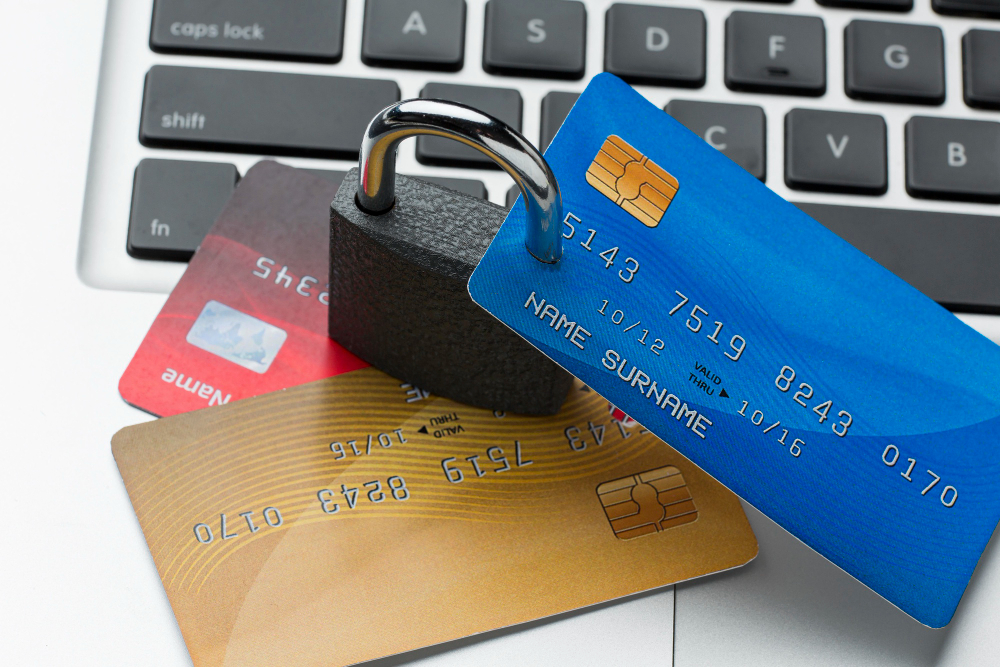
How to Protect Your Credit Card: Expert Tips
Using a credit card is great, right? However, it always comes with risks, especially various scams, so you need to learn how to be protected.nn
Continuar Lendo * You will be directed to an external website How to Protect Your Credit Card: Expert Tips
Continuar Lendo You will be directed to an external website